
What Italy Reminded Me About Real Food and Resilience
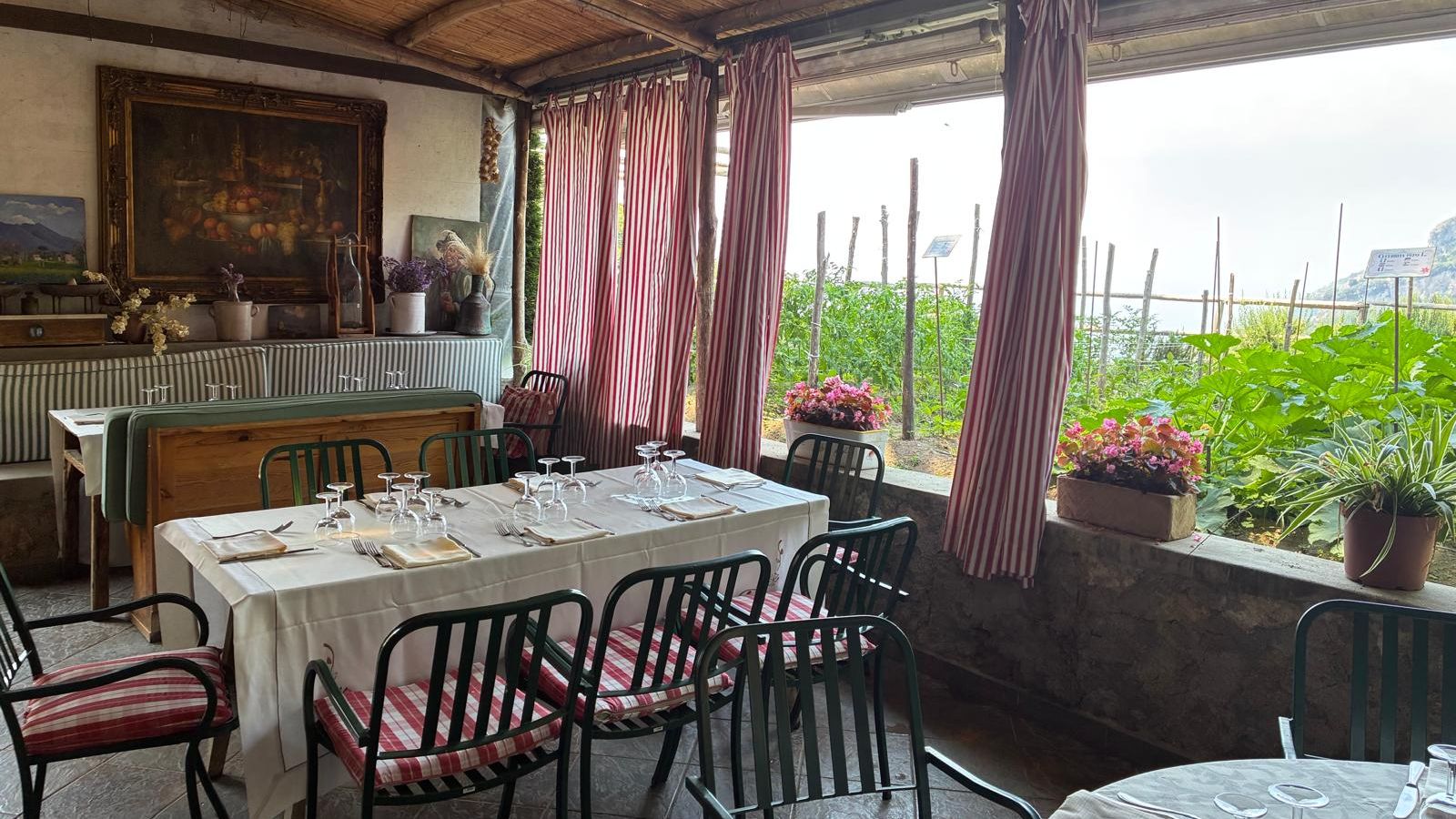
I recently returned home from a beautiful family vacation in Italy. It was a truly wonderful time of rest, connection, and slowing down together. Yet, as I have settled back into my normal routines and found space to reflect on our time away, there is one profound lesson from the trip that has remained impossible to miss:
The food.
Not fancy food. Not complicated food. Not food dressed up to look healthy.
Just real food.
One of the most memorable moments of our trip was a family cooking class on a farm on a beautiful hilltop in Ravello, on the Amalfi Coast. It was one of those places that almost does not feel real: the sea below, the gardens around us, the lemons, the herbs, the tomatoes, the warmth, the beauty.
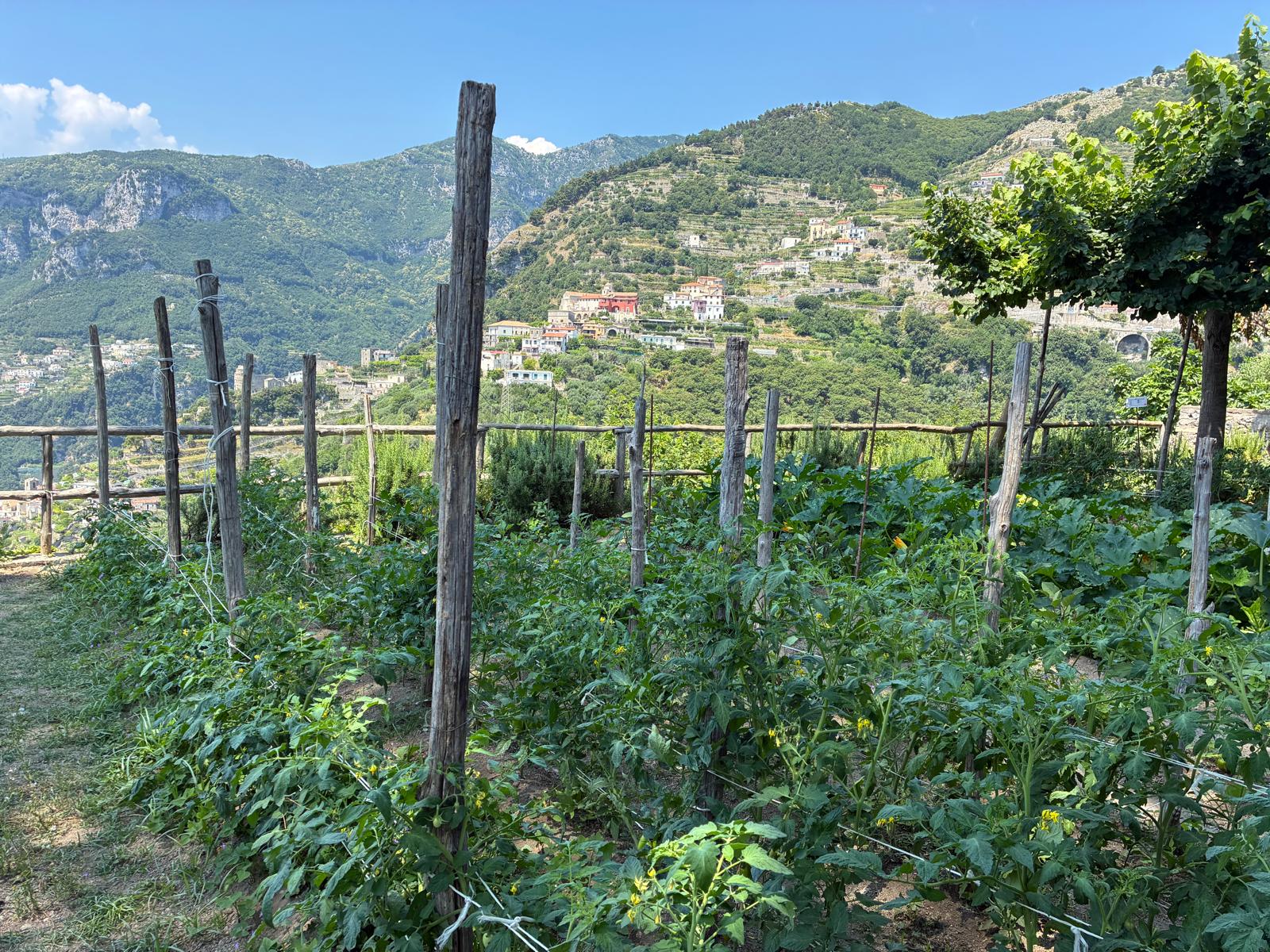
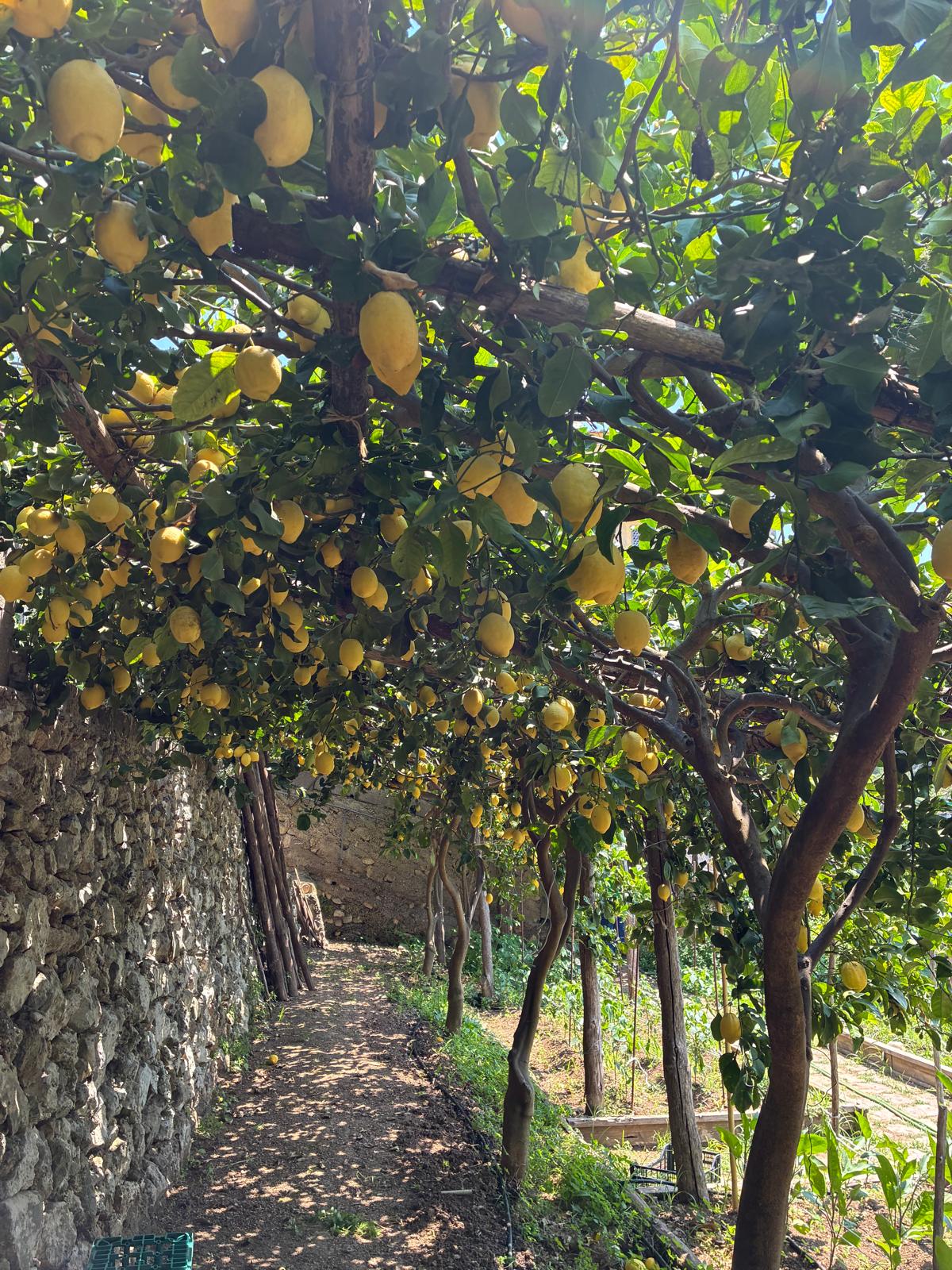
We made fresh mozzarella balls by hand. We picked tomatoes straight from the garden. We gathered basil, herbs, zucchini, and lemons. Then we cooked with ingredients that had been growing in the earth moments before.
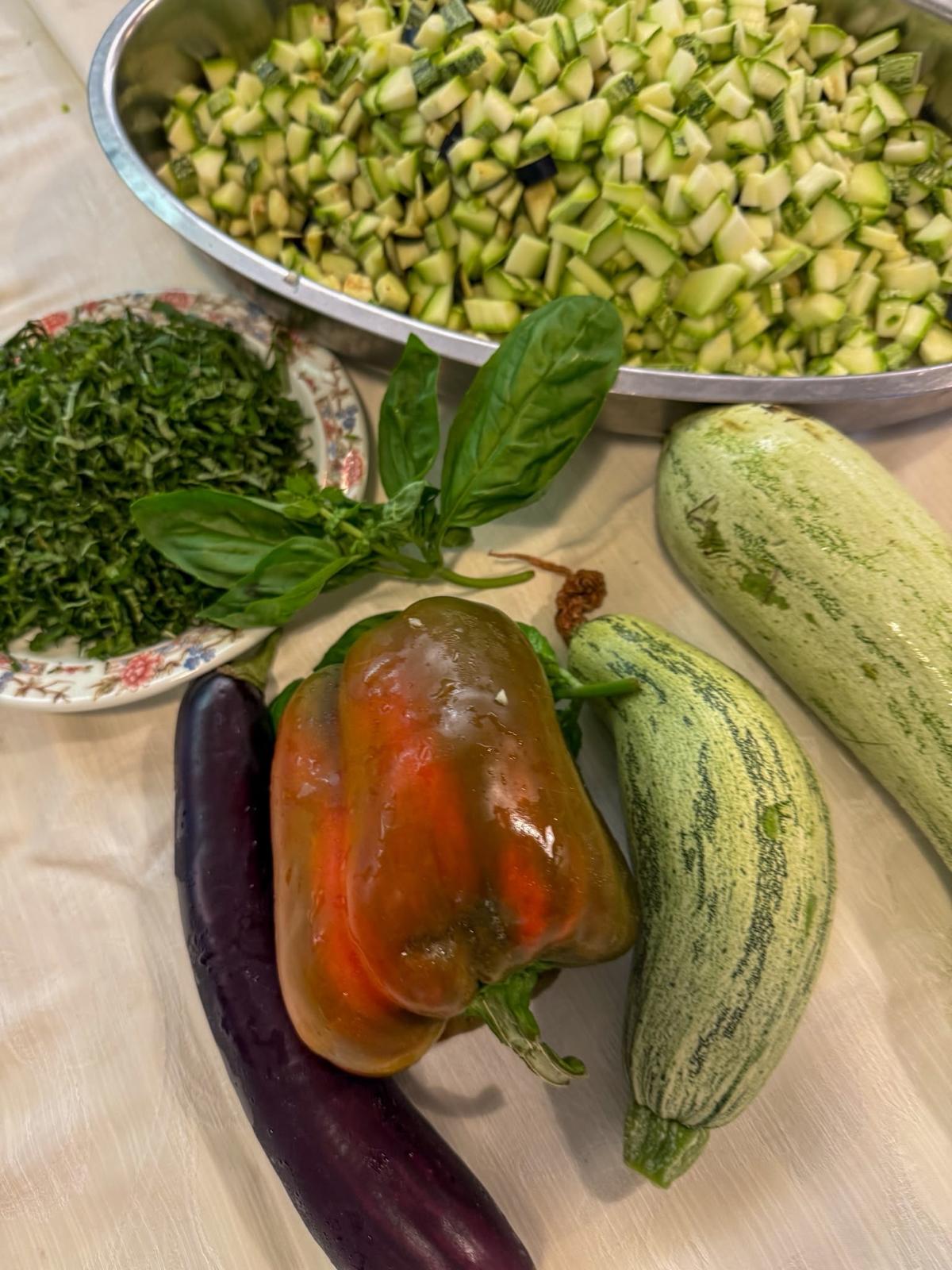
There was something so deeply nourishing about it; not only the taste, although the taste was incredible. It was the feeling of food being connected to a place, to people, to the land, to the season, and to life itself.
Everywhere we went, it seemed the same. Salads came from local farms. Vegetables tasted like vegetables. Olive oil was real olive oil. Dressings were not thick, sweet, processed sauces from a bottle. They were olive oil, balsamic vinegar, sea salt, pepper, and maybe a few fresh herbs.
Simple. Beautiful. Alive.
What struck me most was not only how good the food tasted, but how different we felt eating it.
One of my daughters noticed it when we came home. After eating so freely in Italy, she was shocked by how quickly she felt bloated again here. I noticed it too. In Italy, I was able to tolerate small amounts of gluten in a way I usually cannot.
We ate pasta. We ate pizza. We ate cheese. We ate gelato. We enjoyed ourselves fully. And yet our bodies seemed calmer.
That is what stayed with me. This is not about restriction. It is not about perfection. It is not about making food another thing to worry about. It is about quality. It is about simplicity. It is about real ingredients. It is about what happens when the body receives food it recognizes.
This is where food and resilience meet.
When we talk about resilience, we often think about mindset, stress, breath, recovery, and nervous system regulation. And yes, all of that matters deeply.
But food is also part of resilience.
Food affects our energy, mood, sleep, digestion, inflammation, clarity, and capacity to handle stress. It affects whether our nervous system feels supported or activated. It affects whether we feel heavy and foggy or vibrant and strong.
The food we eat helps build the physical foundation for resilience. It helps us live not only longer, but stronger, healthier, happier, and more vibrant lives.
I recently saw Dr. Mark Hyman share a post about Norway bringing a large amount of food to the World Cup in the U.S.. The reporting around the story clarified that this was largely about consistency, performance, recovery, and supporting athletes with food their bodies were used to, which is common in elite sport.
Still, the bigger point landed for me.
Elite performers take food seriously because they understand that food is not just fuel. Food is information. Food is recovery. Food is performance.
And the truth is, we are all performing in our own way.
We are leading families, teams, businesses, communities, and lives. We are managing stress, caring for others, making decisions, solving problems, and trying to stay well in a world that often moves too fast.
So no, we do not need to eat perfectly. But we do need to pay attention.
In our programs, we teach conscious eating as one of the foundations of physical resilience. Here are six simple keys:
- Remember that you are what you eat.
Do not be fast, cheap, easy, or fake. Choose food that helps you become who you want to be. - Eat like your great-great-grandmother.
Choose real, fresh, whole foods your body recognizes. - Avoid “food-like products."
Crowd out ultra-processed foods, refined sugars, trans fats, and things that come mainly from boxes, cans, and wrappers. - Ditch the sugar where you can.
Not from a place of punishment, but because sugar can hijack energy, mood, cravings, inflammation, and nervous system balance. - Cook more often.
Even simple meals at home can shift everything. Home cooking reconnects us to our food, our families, and our own wellbeing. - Eat mindfully.
Slow down. Taste your food. Chew. Notice how your body feels. Let eating become a moment of presence instead of another thing you rush through.
Coming home from Italy reminded me that vibrant health is not built in one dramatic overhaul.
It is built in small daily choices: a tomato picked from the vine; a salad dressed with real olive oil; a meal eaten slowly; a kitchen filled with simple ingredients; a body that feels safe enough to digest; a nervous system that can finally exhale.
This builds resilience.
It builds the kind of resilience that helps us feel steady, energized, clear, and alive in our own bodies. It supports us in living longer, stronger, healthier, happier, and more vibrant lives.
Because resilience is not only how we breathe through stress or recover from challenge. It is also how we nourish the body that carries us through our lives.
And perhaps one of the most loving questions we can ask ourselves is:
What am I eating, practicing, and choosing each day that helps me become vibrantly healthy, happy, and strong?
If you are a coach, practitioner, leader, or wellness professional who wants to help others build this kind of embodied resilience, we would love to welcome you into our Certified Resilience Coach Program.
Because the world needs more people who can coach others not just to cope, but to live with more energy, clarity, steadiness, vitality, and joy.
Click here to learn more about the Certified Resilience Coach Program.
Enhance your coaching practice with proven strategies and transformative tools to empower others and inspire thriving outcomes.
Download Beyond Bouncing Back: A Guide for Coaching Resilience in Your Clients, Your Staff & Yourself.